
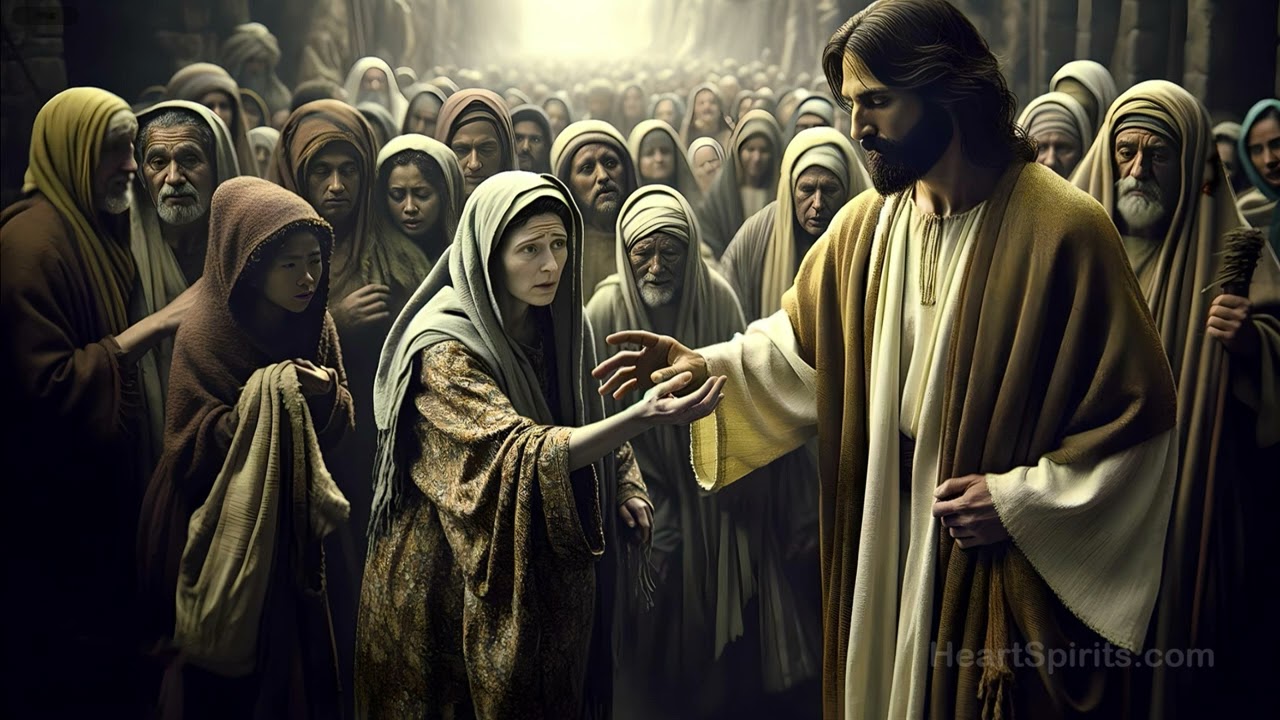
For two thousand years the Church has debated whether the miraculous gifts of the Spirit have ceased. Cessationism insists that tongues, prophecy, and healing ended with the Apostles. Continuationism insists the opposite; that what Christ began, Christ continues.
But beneath both positions lies a deeper and far more urgent question: Have the gifts ceased, or have we?
Jesus didn't say, “These signs shall follow the Apostles.” He said, “These signs shall follow them that believe.” (Mark 16:17–18) His final words point not to a deadline, but to a diagnosis: where belief lives, signs live; where belief fades, signs fade.
The disappearance of signs is not evidence of God’s withdrawal, but of our drift.
Throughout Scripture, God’s works rise or fall not with the times but with the heart. Israel saw wonders in Egypt and the wilderness, and still turned aside when unbelief hardened in them. Jesus performed miracles in towns that marveled, and withheld them from towns that refused to believe. (Matt. 13:58)
Signs diminish not because God changes, but because we change. When faith grows thin, expectancy collapses, and unbelief becomes respectable, the Church may remain busy… but the Spirit grows quiet.
This decline is not new. Early Church historian Ronald A. Kydd — Anglican priest, professor of Church history, and widely respected patristic scholar — documented how spiritual gifts grew scarce not because God rescinded them, but because the Church institutionalized, formalized, and drifted into a safer, more predictable religion. Structure increased; surrender decreased. Doctrine sharpened; expectancy faded. The Spirit was not banned, simply no longer needed.
We lose the gifts the moment we lose the posture that invites them.
A Testimony of Drift and a God Who Still Draws Near
Many believers know the quiet ache of spiritual drift. A person can love God and still stagger under the weight of wounds, disappointments, unanswered prayers, or trauma that twists faith into something fragile.
There was a man, not unlike many in the Church, who sensed God reaching for him from childhood. Beneath fear and chaos, he felt an unspoken whisper: “You have value. You are not forgotten. I have plans for you.”
But wounds can cloud vision. When his first son was born with severe disabilities, grief erupted into fury. In a moment of anguish he lifted his fist toward heaven and cursed God, the kind of raw, unvarnished cry most believers hide but Scripture never shies away from.
Years later his second son was born with fused cranial plates and required emergency surgery at six weeks old. And in a crowded waiting room he collapsed to his knees and prayed, “Lord, I humble myself before You. I know You do not give grace to the proud, but to the humble.” God answered with unmistakable mercy.
When the mother of his children spiraled into addiction and neglect, he fought desperately in court to protect them, and lost case after case. Until one day he said, “No more. I am taking this to God.” And within weeks, it wasn’t a judge who intervened, but something far greater: God opened the eyes of everyone who had once been blind: the caseworker, the landlord, the neighbors, the babysitter — and the truth became undeniable. The children came to him, and never returned to the danger they had lived in.
And he learned: even when we are faithless, the Lord remains faithful, for He cannot deny Himself.
Looking back, the man would later say: “Every time I drew near, God drew near. Every time I yielded, clarity came. Every time pride died, faith returned.”
His life became living proof of a truth the modern church needs desperately: signs vanish not where God withdraws, but where surrender does.
Where surrender rises, signs return; not always dramatic, but always unmistakable.
Scripture presents a pattern: unbelief quenches the Spirit; belief releases His work.
James warns that the double-minded believer cannot expect to receive anything from the Lord. (Jas. 1:6–8) Paul warns the Church, “Do not quench the Spirit.” (1 Thess. 5:19–22)
Jesus Himself ties miracles directly to faith: “According to your faith be it unto you.” (Matt. 9:29)
The issue is not whether God still does wonders. The issue is whether the Church still believes He will.
The gifts did not diminish because God withdrew them, but because the Church drifted from the kind of surrendered faith that makes room for them.
This is why many churches today feel powerless: not because the Spirit has ceased speaking, but because His people have ceased surrendering.
Holiness has been replaced with comfort. Repentance with therapy. Sanctification with self-optimization. Prayer with programs. Expectancy with etiquette.
But the Spirit has not changed. He is still the God who gives gifts “as He wills” (1 Cor. 12:11), still the God who confirms His Word with signs, still the God who moves where hearts are yielded.
The question is no longer “Does God still give signs?” but “Are we still the kind of people who can carry them?”
And here, finally, is hope: Signs return where holiness returns. Where the Church throws off double-mindedness. Where believers choose repentance over reputation, obedience over self-preservation, intimacy over information.
The Spirit has always moved through the surrendered, fishermen who became apostles, persecutors who became pastors, broken men who became vessels of power.
Nothing has changed.
If my people return to Me, My power will return to them.
This is not the hour for clinical debates. It is the hour for cleansing. For falling on our knees again. For believing that the God who once poured out gifts has not once hinted they were ever revoked.
Jesus’ last words remain: “These signs shall follow them that believe…” (Mark 16:17–18)
The path forward is not argument; it is awakening. Not proving, but surrendering. Not demanding signs, but becoming believers again.
Writer’s Note: None of this was written from superiority but from mercy. The Spirit pressed these truths upon me long before they touched this page. I know what it is to drift, to doubt, to sin, to harden, to stagger, and to be rescued again and again by a God who remains faithful when I am not.
If anything here convicts you, let it be the Lord’s kindness, not condemnation. Let it draw you back to the narrow road, the surrendered life, the expectancy of a faith that actually believes God is who He says He is. May we all return, deeply, wholly, and without reservation, to the God who still works wonders among those who believe.